



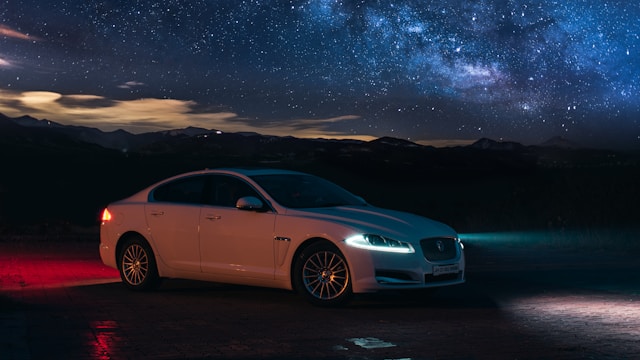
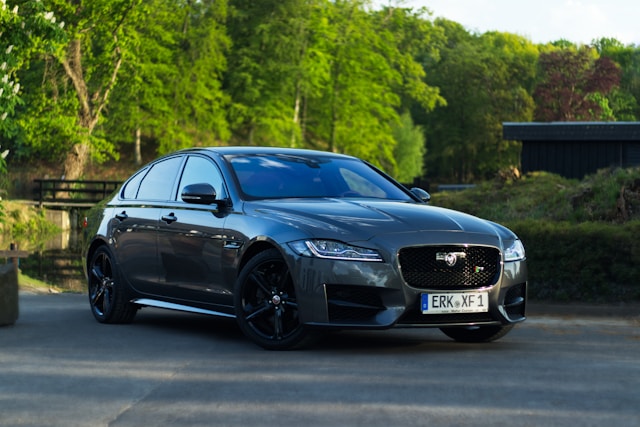
After more than two decades of dominance of the used luxury sedan segment in Australia by German brands, with BMW 3 Series, Mercedes-Benz C-Class and Audi A4 models ubiquitous at every price point, it is an odd state of affairs for buyers looking for something different that the most popular choice in the category is also the least distinctive. The Jaguar XE, which launched to take on that German establishment and then sold in significantly lower volumes, has arrived in the used market in a position those rivals have never occupied: genuinely undervalued relative to what the car actually offers.
Depreciation Did What New-Car Sales Could Not
The XE was a luxury vehicle, which typically depreciates significantly during its first ownership cycle. The XE is an interesting example of how that depreciation has established an entry price that is lower than where its engineering and equipment level should logically place it. XEs that were well maintained from 2017 to 2020 are often offered in Australia for around AUD 20,000 to AUD 40,000, the same price range as many mainstream family SUVs but with none of the premium construction or driving dynamics. That price-quality difference is at the heart of the XE’s used-market attraction.
This value proposition becomes clearer for buyers looking for a Jaguar XE for sale Perth and around Australia compared to German alternatives: Used BMW 3 Series and Mercedes-Benz C-Class models of comparable age and mileage consistently fetch significantly more money. Third-party market comparisons show that the XE can be had for thousands of dollars less than comparable German competitors, with similar performance outputs and premium equipment levels. This pricing situation is a direct result of the car not selling in large numbers as a new car and buyers who know that are in a good position.
The Performance Credentials Are Not A Consolation Prize
The XE was engineered to compete with the BMW 3 Series on driving dynamics, not to emulate it at a distance. It was rear-wheel-drive, with a balanced chassis and responsive steering, and those were design priorities from the beginning, which is why independent automotive reviewers repeatedly commented on the driving engagement of the XE during its production years. The Jaguar XE P250 with its 2.0-litre turbocharged petrol engine makes 247 horsepower, whereas the roughly equivalent BMW 320i of the same generation makes around 187 horsepower. Both cars posted similar 0 to 100 km/h times of around 7.3 seconds, despite the Jaguar having a meaningful power advantage.
That performance parity attained at a lower used-market price is part of why the XE is enticing buyers who initially had German options in mind. It is not a luxury sedan experience at a discount price; it is a luxury sedan experience at a lower price that just happens to be below where the car should be. To drivers who value how a car feels to drive more than how often they will see it on the road, the XE is a first choice rather than an also-ran.
Aluminium Construction Is An Engineering Advantage That Time Has Not Erased
Jaguar developed the XE with an aluminium-intensive architecture consisting of more than 75 per cent aluminium, an unusually ambitious engineering approach for the segment that, at launch, exceeded the amount of aluminium used by most competitors, reducing vehicle mass while enhancing structural rigidity to benefit handling, braking performance and overall efficiency in ways that do not diminish over the life of the car. The engineering sophistication built into the XE structure is still competitive years after production, making the used-market pricing look even more strange compared to what the car actually delivers mechanically.
Safety Ratings And Exclusivity Complete The Argument
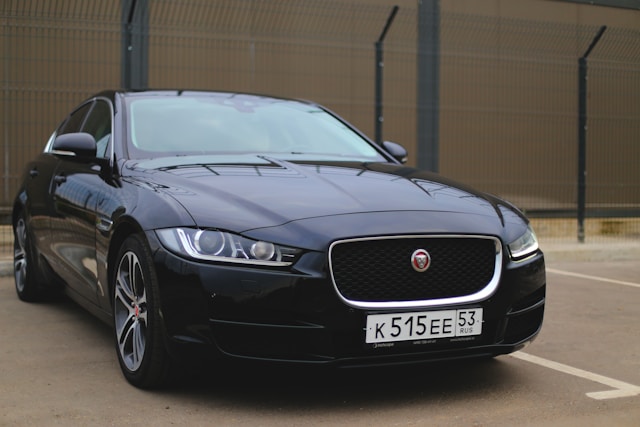
The XE received a five-star Euro NCAP safety rating and was rated the safest large family car of its launch year, with 92% for adult occupant protection. Autonomous Emergency Braking, Lane Departure Warning, and several airbag systems were standard, not an option, across the range, unlike entry-level luxury cars of the era that charged extra for similar safety technology. For Australian buyers, these ratings remain as valid as ever, whether you’re buying a new or used luxury car to serve as a family car.
There is one final dimension that the numbers do not capture, which is the exclusivity argument. In Australian metropolitan areas, the German luxury sedans have become so ubiquitous that ownership is barely distinguishable. With its much lower production and sales volumes, the XE offers a premium badge and a unique British design without duplicating what you will find in the next dozen cars in any car park. The fact is that luxury buyers, as shown by vehicle ownership surveys, want uniqueness as well as prestige, and the XE provides both at a price that the German alternatives, despite their quality, cannot yet match in the used market.