



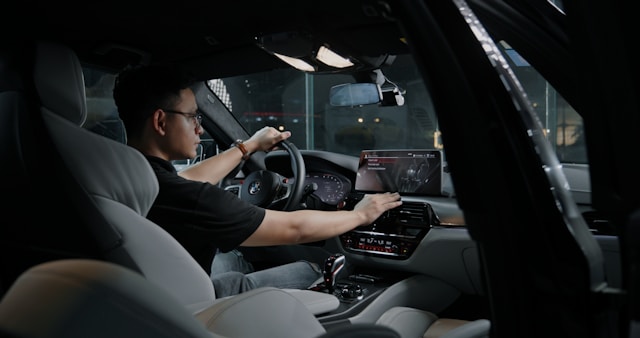
The role of automotive technicians has changed dramatically over the last 20 years. Vehicle repairs used to focus mostly on those mechanical bits like engines and transmissions, but now they’re working with high-tech computers that use electronic control units (ECUs), advanced sensors, super-smart safety systems & connected tech. As a result, workshops now spend a lot of time trying to figure out what’s gone wrong using computers & software. Rather than just swapping out the faulty parts.
Australia’s vehicle fleet has gotten a whole lot more complicated with millions of cars relying on their computers to keep them running properly. As well as to improve their fuel efficiency, reduce emissions & make life easier for drivers on the road. The speed at which automotive software has taken off has completely changed the way people fix cars. That means that today’s technicians have to have computer skills as well as the traditional mechanical expertise to do the job right.
Modern Vehicles Are Little More Than Rolling Computer Networks
Think about it like this. A modern car has a level of computer power that would have been thought of as science fiction just 20 years ago. In fact, estimates put the amount of software code in a modern vehicle at around 650 million lines up from only 100-200 million lines a decade ago. That’s a lot of computer power to make sure your engine is firing properly, your car is connected to the internet, and your favourite tunes are playing clear & loud.
Many vehicles now have between 50 to 100 electronic control units that are constantly talking to each other, using info from hundreds of sensors & executing thousands of commands every second. So when one of those control units goes bad, the problem could be coming from the software, or maybe it’s a sensor, or possibly just some dodgy wiring. As a result, technicians have to spend heaps of time trawling through all the digital info before they can even get to work on the car.
Fault Detection Has Moved on From Guesswork
For as long as anyone can remember, a Canberra mechanic has been relying on their eyes & ears to diagnose problems. Engine noises, leaks, vibrations & wear patterns all helped give a clue what was wrong. But with modern cars, many of those signs are missing. This means technicians have to rely on computers to figure out what’s gone wrong.
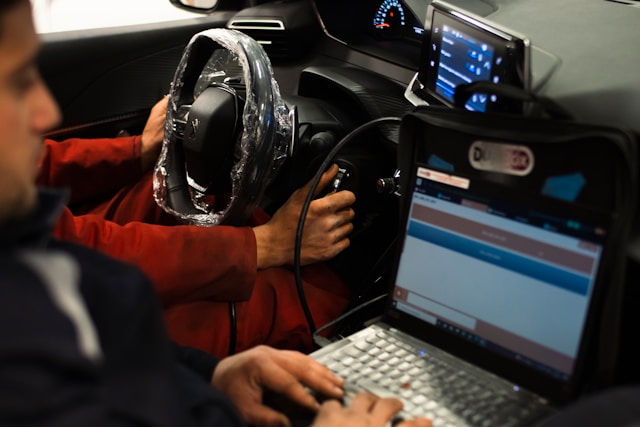
A typical diagnostic session usually starts by hooking up a special scan tool to the car’s onboard computer. That lets the tech see fault codes, live sensor data & even the comms networks that are going on inside the car. Then you’ve got to sift through all that info to work out what’s really wrong. It can be a pretty daunting task. For example, just that one warning light on the dashboard can lead to dozens of possible causes. So it’s a real challenge to work out which bit of the car is actually the problem.
Advanced Driver Assistance Systems Have Made Things a Lot Harder
The more cars that get these fancy safety features like blind spot monitoring & lane-keeping assistance, the harder it is for technicians to get to the bottom of what’s wrong when something goes pear-shaped. These systems all rely on a combination of cameras, radar units, sensors & super-smart software. So when one of them goes wrong, it can be a real brain twister to figure out which bit went wrong.
Electrification Changing the Face of Automotive Troubleshooting
Electric and hybrid vehicles are a pretty clear sign that the industry is moving away from the old way of doing things and into a software-driven repair process. Studies comparing internal combustion vehicles to battery-electric vehicles revealed that, although electric vehicles might have fewer ECUs, their software complexity jumps up by over 200%. Thanks to factors like battery management, thermal control, and charging systems.
Australia’s growing electric vehicle market is already giving workshops a lot of headaches. Battery management systems are constantly monitoring loads of data on temperature, voltage, charging efficiency you name it. It’s not like you can just swap out a part anymore. Diagnosing a problem often ends up being an exercise in reading through software logs and trying to figure out what’s going on. Rather than just replacing a part.
The Economic Cost of Moving to Software-Centred Repairs
The increasing complexity of automotive electronics is forcing repair businesses and consumers to shell out more cash. Australia’s automotive software market is going to boom over the next decade. It’s being driven by people investing in connected vehicles, predictive maintenance and all that jazz.