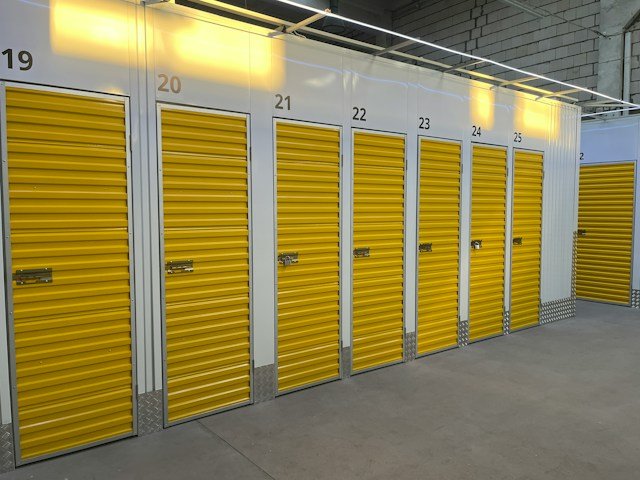




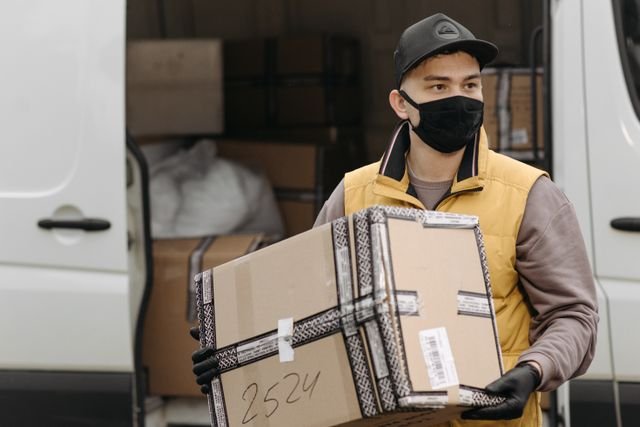
Running an online store involves far more than just listing products and processing payments. The moment a customer places an order, a chain of physical and logistical steps begins, and how well those steps are executed determines whether that customer has a good experience or a frustrating one. This operational process connects those two endpoints, covering everything from warehousing and inventory management through to picking, packing and shipping each order to the customer’s door.
Types of Ecommerce Fulfilment Models
Ecommerce businesses typically choose from several fulfilment models depending on their volume, resources and growth stage. In-house fulfilment involves the business managing all storage, picking and packing internally, which gives full control but requires significant space, labour and systems investment as order volumes grow. Third-party logistics, or 3PL, involves outsourcing these operations to a specialist provider who handles storage and despatch on the business’s behalf, allowing the brand to scale without investing in its own warehouse infrastructure. Dropshipping removes the business from physical handling entirely, with orders fulfilled directly by the supplier, though this model sacrifices control over packaging, shipping speed and product quality at the point of despatch. Hybrid models combine elements of more than one approach, with some products fulfilled in-house and others managed by a 3PL, depending on volume and complexity.
How a Professional Ecommerce Fulfilment Operation Works
A well-run ecommerce fulfilment melbourne operation begins with accurate inventory management, ensuring that stock levels are tracked in real time and that orders can be fulfilled without delays caused by stock discrepancies or picking errors. When an order is placed, the system generates a pick list that guides warehouse staff to the correct items, which are then packed according to the business’s specifications and labelled for despatch. Carrier integration allows shipping labels to be generated automatically and orders to be handed over to the chosen delivery partner without manual intervention at each step. Returns management is an equally important part of the process, with returned items needing to be assessed, restocked or processed quickly to maintain accurate inventory levels and allow refunds or replacements to be handled efficiently.
Benefits of Partnering With an Ecommerce Fulfilment Provider
Outsourcing ecommerce fulfilment to a specialist provider removes the operational complexity of managing a warehouse and allows the business to focus its energy on growth, marketing and product development instead. Fixed and variable cost structures mean that fulfilment expenses scale with order volume rather than requiring the business to carry the overhead of a full warehouse operation during quieter periods. Access to established carrier relationships and volume shipping rates gives smaller businesses shipping costs and service levels that would otherwise only be available at much larger order volumes. As the business grows, a quality fulfilment partner scales alongside it, handling increasing order volumes without the business needing to invest in additional space or hire and train additional warehouse staff.