



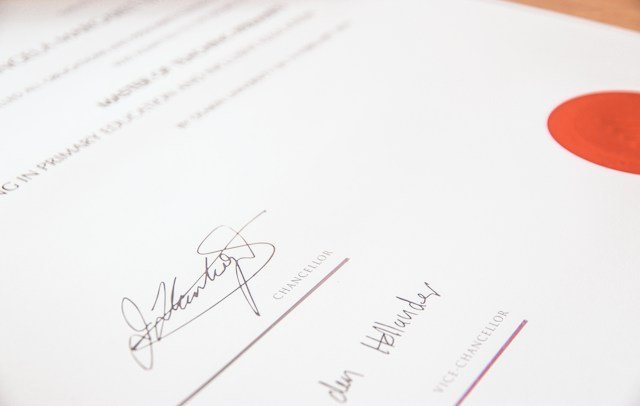
Then there is the certificate that people imagine and the actual roadworthy certificate. This disconnect is what is costing Victorians money every year and putting sellers in situations they did not envision. A Certificate of Roadworthiness is probably one of the least understood documents in the second-hand car market, not because it is confusing, but because its very name conveys a message that is not quite right.
What the Inspection Actually Looks At?
Transport Victoria has been very clear about it: an RWC St Albans certificate proves that the safety-related components of the vehicle were at least up to the minimum standard at the time of the inspection. And nothing else. The areas inspected during the inspection include the following:
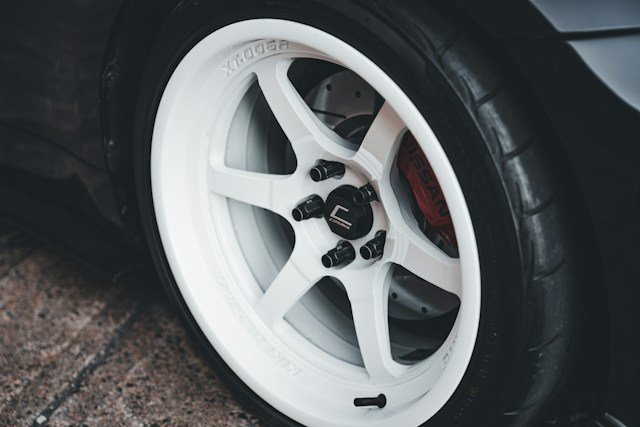
- Wheel and tyre, including the tread depth, condition of the sidewall, and correct fitment.
- Steering, suspension and brakes, which include the condition of the joints, condition of the hydraulic lines and parking brake functioning.
- Seats and seatbelts in all seating positions, including webbing condition, buckles and retractors working properly.
- Lighting and reflectors, meaning that the headlights, indicators, brake lights and reversing lights all work.
- Windscreen and windows, along with the front wipers and windscreen washers.
- Vehicle structural integrity, including any damage to chassis, rust perforation and modifications influencing crashworthiness.
This list of criteria is rather limited and very specific, with all of them being related to the current driving safety of the vehicle.
What the Certificate Does Not Cover, and Why Buyers Need to Know?
Transport Victoria clearly states that a roadworthy certificate does not prove the vehicle is free from wear and tear, that air conditioning, electric windows and rear wipers are operational, or that the inspected items will continue operating after the inspection. The brake light can be fine at the time of the inspection and malfunction right after the inspection ends, but the certificate will remain valid for the whole period of 30 days.
The engine condition, oil pressure, the coolant level and integrity and compression are not inspected. Transmission operation, condition of the differential and the entire electrical system besides the lighting check, fall completely outside the inspection’s area. A buyer who relies on the RWC for a complete mechanical inspection is missing a lot of information; an independent mechanical inspection will fill the gap.
When Victorian Law Requires a Certificate?
The key triggers include the sale of a registered car, wherein it is the responsibility of the seller to provide an up-to-date RWC to the purchaser, and the re-registration of a car in case the registration has expired. In some cases, clearing a defect notice issued by Victoria Police may also require an RWC. An RWC is only valid for 30 days from the day it was issued and can be reused within that period for the purpose of transferring and registering; any period past 30 days will require a new inspection.
An authorised vehicle tester from an approved test station is the only one who can issue a roadworthy certificate in Victoria. There are no shortcuts and there are no exceptions.
Preparing the Vehicle Before the Appointment
Some preparation will decrease your chances of needing a retest and save you some delay.
- Ensure that all lights on your car are functional before coming to the testing place, as a burned bulb is the most frequent cause of initial failure, and replacing a bulb costs a lot less than paying for a retest.
- Make sure that the depth of the tyres’ treads in all four positions meets the requirements; the minimum in Victoria is 1.5 mm, and it is the inspector’s duty to fail a tyre that just barely meets the standard.
- Examine the windscreen of your car to make sure there are no cracks in the area of the driver’s view.
- Test your seatbelts in all positions, in particular in the back seats of cars where old seatbelts have the tendency to jam and retract inadequately after years of lack of use.

Modified Vehicles and What to Expect
Modifications will bring extra difficulty, which is unexpected by most owners of cars in the St Albans area and other parts of Melbourne. Modifying a car should not change its compliance with standards it was initially required to meet; it should not decrease the level of safety that did not exist before. Unapproved lowering of the suspension, non-compliant exhaust modifications, and unapproved combinations of wheels and tyres are all examples of possible fail points. In some cases a modification should be certified by a Vehicle Assessment Signatory Scheme engineer prior to obtaining an RWC, and this process is independent of the roadworthy inspection process.