


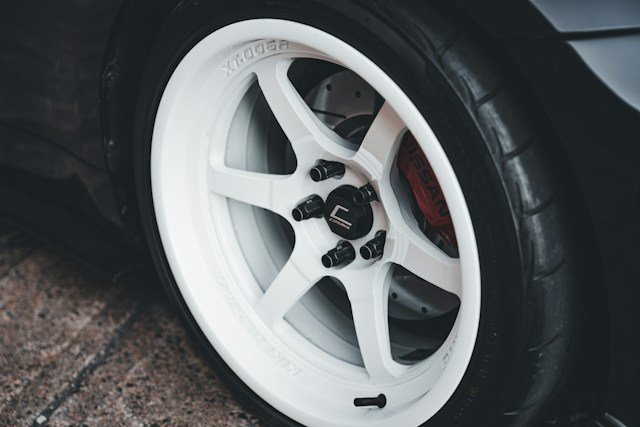
Ask ten Perth drivers to describe what a mag wheel is, and all you’ll learn is what one looks like. Understandable, seeing as the term has been around since the 1950s and nobody saw fit to change it despite the materials involved changing long ago. But the problem of terminology is only the first in a long list of misunderstandings, with some of the latter only presenting themselves at speeds of 100 km/h on the Great Eastern Highway or during rego testing for wheel safety.
What “Mag” Actually Means on Today’s Shelves?
The wheels that carried pure magnesium were used in motorsport due to their incredibly lightweight nature, but were subsequently pulled from circulation due to being flammable under certain conditions. The replacement was aluminium-magnesium alloy, which provided the same strength and weight benefits of pure magnesium but was less likely to explode in case of damage. These alloys also lend themselves much better to complex multi-spoke designs that steel simply doesn’t work well for. Forged alloy wheels take the process even further; stronger and lighter but at a significantly higher cost. Having that information in mind changes the price disparity between budget and premium mag wheels Perth WA in quite an eye-opening way.
Why Fitment Comes Before Design, Every Time?
The design sells the product, but fitment determines whether or not said wheel will be installed on your vehicle without legal issues.
The PCD, or Pitch Circle Diameter of a wheel must match that of your vehicle. A widely used figure of 5×114.3 is fine for many Japanese makes, but European vehicles tend to have wildly different figures here, and getting it wrong is an expensive mistake. Offset is determined through the ET rating and controls whether the wheel fits inboard or outboard relative to the wheel arch; wrong offset will lead to the tyre contacting suspension parts or excessive scrubbing, which leads to early wheel bearing wear. Bore size must be matched or exceeded by the wheel hub, otherwise loose fitment with no hub-centric ring results in high-speed vibrations that look like balance issues but don’t fix with any amount of balancing attempts. For 4WD vehicles that drive on WA’s corrugations and haul trailers, load rating is the number you want for spoke root protection.
The Performance Case, Honestly Assessed
While aesthetics are a legitimate reason for upgrading, the performance argument must be taken into account, even though its validity depends on the type of usage. Lowering the unsprung mass, the mass below the suspension pivot point, will allow dampers to track the road better. Alloy dissipates heat better than steel, and it becomes an important consideration for those who use their car to pull a caravan in tow down the hilly terrain of the stretch from Perth to Margaret River. Fuel savings due to lower rotational inertia are small, but measurable on the long straight runs inherent to WA driving conditions.
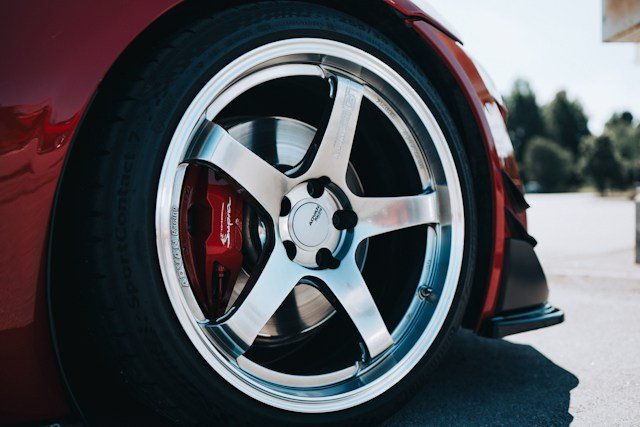
High-polish and milled finish alloys look spectacular, but in coastal areas will oxidise much quicker than most people think and will require special cleaners to keep the shine.
New, Used, or OEM: Picking the Right Source
The difference in quality between an alloy wheel costing $150 and one that costs $400 is noticeable after just the first year of service. While there is a chance of saving money buying used or second-hand mags, the vehicle must be known to match and the wheel must not show signs of gutter rash, buckle, or corrosion on the mounting surface. The OEM alloy wheels from the later model of the same car will ensure proper fitment with no offsets or bore adjustments required, which makes them popular among Perth car owners with a desire to upgrade their old car and without changing the tyre size and the speedometer readings.
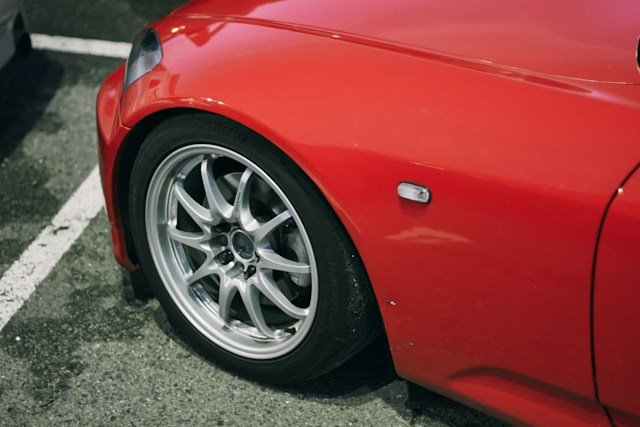
What the Fitting Process Must Cover?
Wheel balancing is mandatory after fitting; an imbalance greater than 5 grams will produce a steering vibration on the highway. Torque on alloy wheels needs to be adjusted, it is different from that of steel wheels, and over-tightening will elongate the stud or crack the alloy surrounding the bolt. A re-torque procedure done after 50 to 100 kilometres will take care of the bedding-in process, as the wheel and hub start matching. The tyre pressure needs to be checked against the vehicle placard, and not the old set-up, because the tyre profile and load index are probably different.