



Cranes and rigging play a critical role across construction, infrastructure, mining, and industrial projects. When used correctly, they enable the safe and efficient movement of heavy loads that would otherwise be impossible. When safety protocols are overlooked, however, the consequences can be severe — leading to injuries, fatalities, equipment damage, and costly project delays.
Understanding the most common crane and rigging accidents is the first step towards preventing them. Whether you’re a site manager, rigger, dogman, or contractor working with lifting equipment, proactive risk management and expert support (like working with experienced providers like Sventek Cranes & Rigging) can make a measurable difference to site safety outcomes.
Here are some of the most frequent crane and rigging incidents and the practical steps that help prevent them.
Dropped Loads
The risk:Dropped loads are one of the most dangerous crane-related incidents and often result in serious injuries, fatalities, or significant structural damage. These accidents usually occur when loads are improperly secured, lifting gear fails, or communication breaks down during the lift.
Common causes include:
- Incorrect sling selection or load rating
- Poorly balanced loads
- Worn or damaged rigging equipment
- Sudden movements or load shock
How to prevent it:
- Conduct thorough pre-lift inspections of all rigging gear
- Match slings, shackles, and lifting devices to the load weight and shape
- Use qualified riggers and dogmen
- Implement lift plans for complex or heavy lifts
Crane Tip-Overs
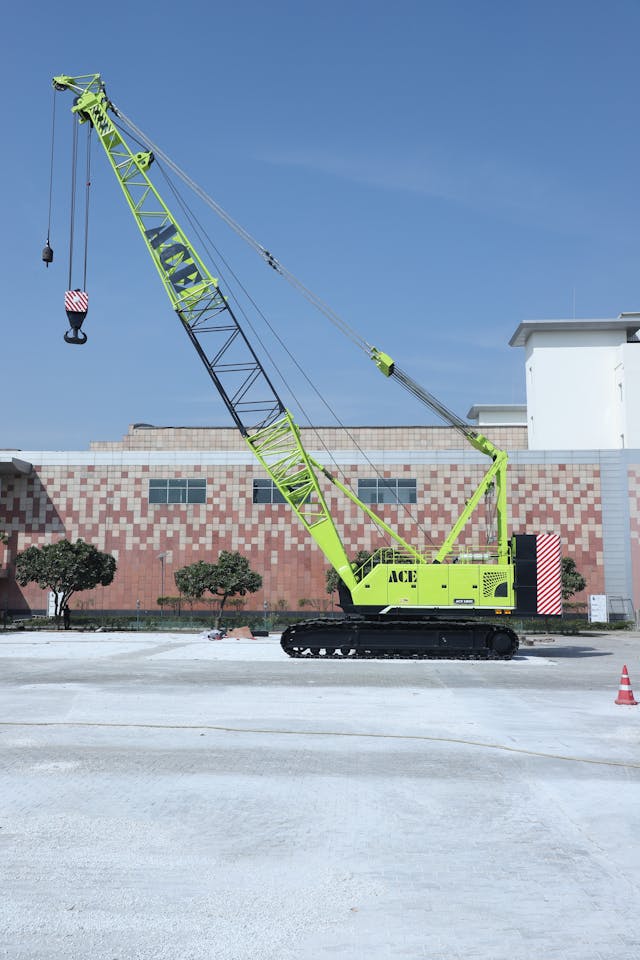
The risk:Crane tip-overs are among the most catastrophic crane accidents, often resulting in multiple injuries and extensive damage. These incidents typically happen when cranes exceed load limits or operate on unstable ground.
Common causes include:
- Overloading the crane
- Inadequate ground preparation
- Incorrect outrigger setup
- Unexpected changes in load radius
How to prevent it:
- Always adhere to the crane’s load charts
- Assess ground conditions before setup
- Fully extend and properly support outriggers
- Avoid lifting in high winds or unstable conditions
Rigging Equipment Failure
The risk:Rigging gear such as slings, chains, and shackles can fail suddenly if they are damaged or improperly maintained, leading to dropped loads and serious injuries.
Common causes include:
- Using worn or corroded lifting gear
- Exceeding safe working load limits
- Incorrect storage of rigging equipment
How to prevent it:
- Implement routine inspection and tagging systems
- Remove damaged equipment from service immediately
- Store rigging gear correctly to prevent deterioration
- Train workers to identify early signs of wear
Load Swing and Uncontrolled Movement
The risk:Uncontrolled load movement can strike workers, structures, or nearby equipment, especially in confined or busy worksites.
Common causes include:
- Poor communication between crane operators and riggers
- Sudden crane movements
- Wind gusts affecting suspended loads
How to prevent it:
- Use tag lines to control load movement
- Maintain clear communication protocols
- Lift slowly and smoothly
- Pause operations during adverse weather conditions
Contact with Power Lines
The risk:Electrocution remains one of the leading causes of crane-related fatalities. Even indirect contact with power lines can be deadly.
Common causes include:
- Poor site planning
- Inadequate exclusion zones
- Operator misjudgement
How to prevent it:
- Identify overhead services during site planning
- Establish and enforce minimum clearance distances
- Use spotters when operating near power lines
- De-energise lines where possible
Worker Falls During Rigging Operations
The risk:Rigging often requires working at height, increasing the likelihood of falls, particularly during setup or dismantling.
Common causes include:
- Inadequate fall protection
- Slippery or unstable surfaces
- Rushing tasks under time pressure
How to prevent it:
- Use appropriate fall arrest systems
- Ensure stable access platforms
- Provide training for working at heights
- Maintain tidy, hazard-free work areas
Poor Communication and Human Error
The risk:Miscommunication between operators, riggers, and spotters can lead to incorrect lifts, unexpected movements, or collisions.
Common causes include:
- Unclear hand signals
- Lack of designated lift supervisors
- Fatigue or inexperience
How to prevent it:
- Assign clear roles and responsibilities
- Use standardised hand signals or radios
- Schedule adequate breaks to reduce fatigue
- Invest in ongoing training and competency assessments
Building a Safer Crane and Rigging Environment
Most crane and rigging accidents are preventable. A strong safety culture, thorough planning, quality equipment, and skilled personnel all play essential roles in reducing risk. Regular audits, clear procedures, and working with experienced crane and rigging specialists ensure that lifts are carried out efficiently and safely.
By understanding where things commonly go wrong — and taking proactive steps to address those risks — worksites can significantly reduce incidents, protect workers, and keep projects moving without unnecessary disruption.