



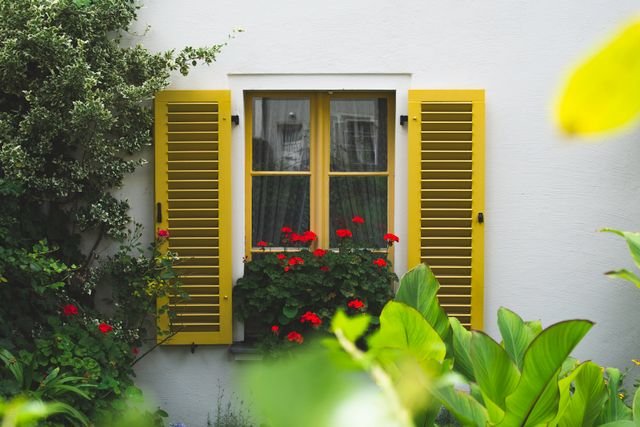
Almost any residential street in Toowoomba will reveal timber sashes, tall casements, and numerous coats of paint. While these windows provide the charm of the house, they also mean a lot of heat going outside in the winter. Careless renovation will spoil both the character of the building and reduce its value.
How To Plan “Double Window Glazing Toowoomba” For Character Homes?
The goal of double window glazing Toowoomba renovation is to make your house warmer but at the same time leave its appearance intact from the outside.
Character Residential Buildings In The Garden City
Many houses in Toowoomba have features characteristic of Queenslander, workers’ cottages, and interwar style buildings: VJ walling, high ceilings, and timber sash/casement windows.
Local planning controls may cover this architectural style. There are heritage and character controls in the planning scheme of Toowoomba. There are also some individually listed houses in the area.
Before placing an order, check what planning controls affect your house by consulting council planning maps.
Double Window Glazing: Secondary Glazing Or Replacement
There are two basic options you can choose when renovating old windows: full replacement and secondary glazing.
When to choose each option:
- Secondary glazing leaves the original sashes visible on the facade of the house and is usually preferred for character-controlled properties.
- This kind of installation is removable and future renovations won’t harm the building.
- Full replacement is a good solution if the frames of the old windows need replacing.
- It requires some special permits and window profiles in character-controlled areas.
For many Toowoomba residents, the best choice is secondary glazing.
Choosing The Right Secondary Glazing, Not All Options Are Created Equal
Secondary glazing comes in several forms, and the nuances between them really do matter. Some systems come with glass fitted into a slim aluminium or timber frame, while others use lightweight acrylic panels. Now, glass is pretty good at withstanding scratches and will generally last longer, but acrylic is lighter and quite often cheaper.
When it comes to fixing methods, there’s a bit to consider too. Some panels are magnetic and can just be lifted out for a quick clean or to let in some summer airflow, while others have hinges or slide open, which is useful if you’ve got windows that get used a fair bit. One thing to bear in mind is that a system that still allows the original window to be opened is a good idea; it keeps those lovely summer breezes flowing in.
It’s also really important that there’s a tight seal between the two layers. If moist air from inside the house manages to get past the inner panel and into the cold outer pane, you can end up with condensation forming between them. A good installer should be able to seal the inner panel properly while also keeping the original window in good nick.
Restoring Old Timber Windows Before Upgrading Is A Must
Old windows can often look a lot worse than they actually are, with sash cords snapping, the putty cracking, and multiple layers of paint building up and jamming the sashes shut. The good news is that a skilled joiner can usually get them sorted out for less than the cost of replacing them.
Before you even think about putting in any new glass, you need to deal with draught-proofing. Any gaps around the old sashes can let a lot of warm air escape in the winter, so it’s worth tackling that first. Simple seals and brush strips can close those gaps up for you at a pretty modest cost.
And before we even talk about secondary glazing, you need to make sure any rotten sills and frames are sorted out. Fitting secondary glazing over decaying timber is just going to hide the problem, so you need to get that sorted first.
Navigating Approvals For Listed And Protected Homes
Homes on the Queensland Heritage Register have some pretty strict rules to follow; any changes that affect their heritage value will generally need approval before you start work, so it’s a good idea to get some advice early on.
Homes that are protected by local character controls are a bit more flexible, but you still need to keep an eye on things. Internal secondary glazing is unlikely to change the way the house looks, so that might be okay, but if you’re replacing any street-facing windows, you may need a development approval.
A quick chat with the council planners before you commit to anything can really help avoid any disputes later on.
Protecting Value As Well As Comfort When Upgrading Your Windows
When you’re buying a home with character, you’re often paying a premium for the original features, including the windows. If you replace them with mismatched modern profiles, it can make the house look altered and less authentic, which is going to devalue the property. Keeping or restoring the street-facing windows will help preserve that appeal.
Now, if the house is a bit of a doozy and the front windows are fine, but the ones at the back are a bit dodgy, you might be able to get away with restoring the front and putting in new double-glazed units at the back, which will give you some comfort where it’s most needed.
Thinking Beyond The Windows And About The Whole House
If you live in a raised timber home, you’ll know that there are a few ways that heat can escape, and it’s not just the windows. Uninsulated floors and ceilings can let warmth out no matter how good your glass is, so it’s a good idea to think about secondary glazing as part of a wider strategy.
Underfloor insulation can be a good option for many raised Queenslanders, since the space underneath is usually easy to get to. And ceiling insulation is still one of the cheapest and most effective upgrades you can do.
The smartest thing to do with older homes in Toowoomba is to take a good hard look at the existing frames. Restore what you can, seal the gaps, then choose a glazing option that keeps the street view the same.